An ad does not finish the job when someone clicks. The landing page has to continue the same conversation, help the visitor decide and make the next action feel easy.

Begin with the campaign intent
Write down the audience, offer and action before opening the ad platform. A search campaign may need a direct service page; a social campaign may need more context and proof. The intent determines the page hierarchy, copy and form fields.
Keep the message aligned
- Use the same service language in the ad and the page headline.
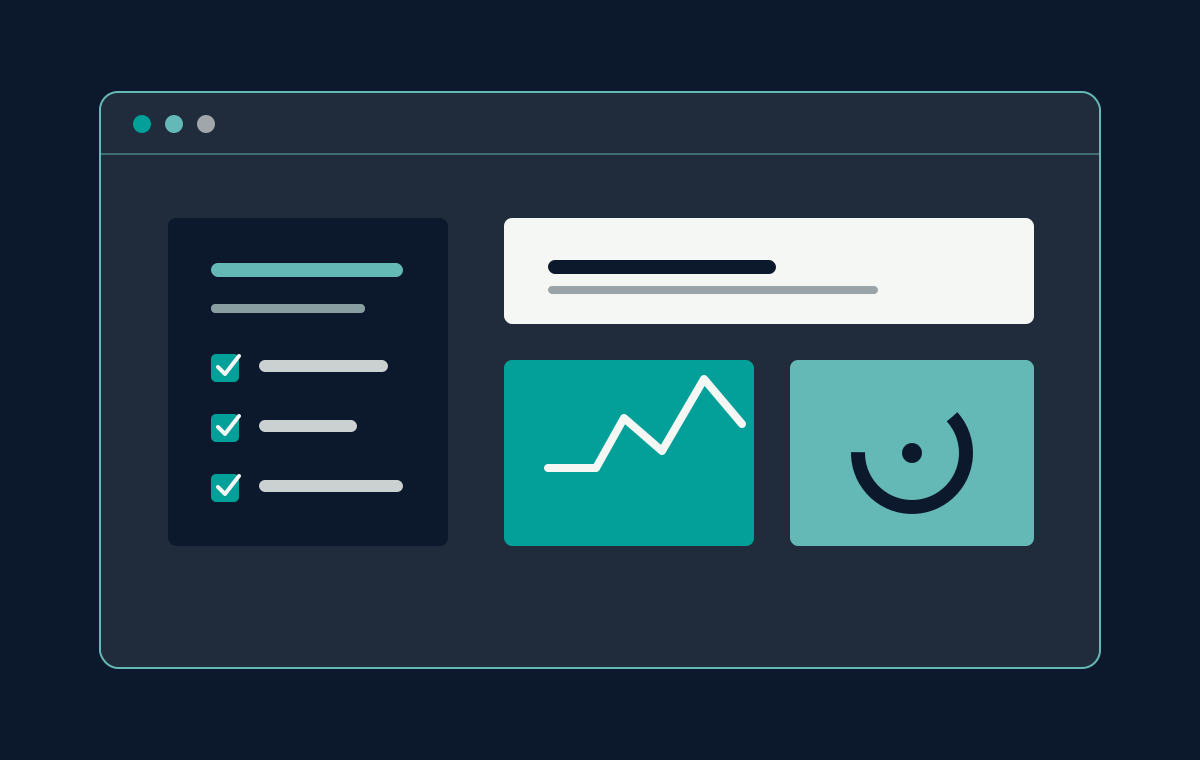
- Make the first screen answer who the service is for and what happens next.
- Show relevant proof without burying the enquiry action.
- Keep one primary CTA and a simple fallback contact option.
Build for the click context
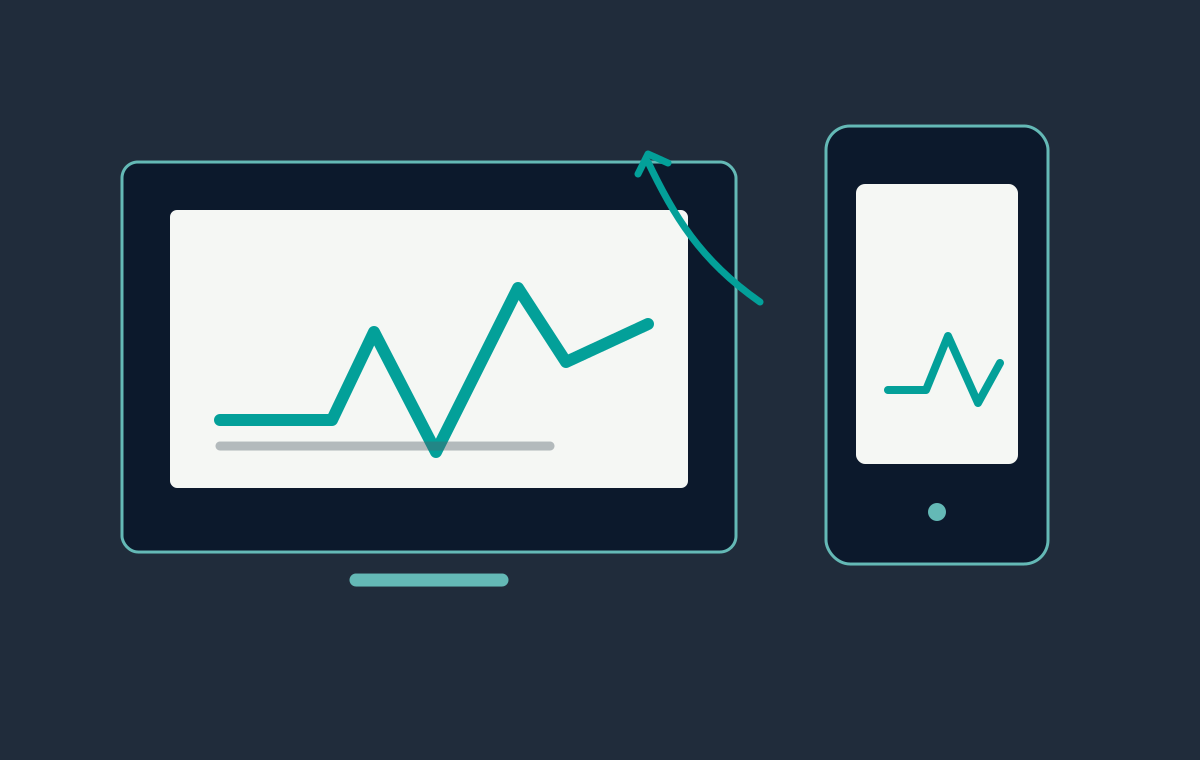
Paid visitors arrive on phones, often from a moment of intent. Keep the page lightweight, preserve generous tap targets and remove navigation that pulls attention away from the task. A responsive WordPress implementation should remain clear at every width, including the form and confirmation state.
Measure the complete path
Use separate campaign parameters and a consistent conversion definition. Test the form, phone link and thank-you state from the same devices used by visitors. Review search terms and ad feedback alongside landing-page behaviour so the next iteration improves the whole journey.
A campaign is a connected system: the best optimisation opportunity may be on the page after the click.
Iterate with care
Change one meaningful part of the experience at a time—message, layout, form or audience—then give the change enough traffic to learn. Keep a record of what changed and why. This keeps optimisation grounded in the business goal rather than a stream of disconnected tweaks.
If your ads need a clearer destination, share the brief. My website projects show the same build-and-measure approach.